Connect With Us

Ayurveda detox

Ayurvedic detox retreats

Panchakarma - If you are interested in Ayurveda, sooner or later you will stumble across this term, because in Ayurvedic medicine the Panchakarma retreat plays a central role. If you would also like to know more about what this Ayurvedic form of treatment actually is and what it involves, then you have come to the right place!

See all hotels for Ayurveda retreat

Overview

Ayurvedic detox retreats

Panchakarma - If you are interested in Ayurveda, sooner or later you will stumble across this term, because in Ayurvedic medicine the Panchakarma retreat plays a central role. If you would also like to know more about what this Ayurvedic form of treatment actually is and what it involves, then you have come to the right place!

Program Components

External treatments

External treatments

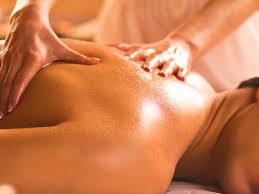
In Ayurveda, different external treatments are used. These include, of course, different types of massages. Here, the whole-body synchronous massage (Abhyanga), the whole-body powder massage (Udvartana, with an exfoliation of barley and chickpea flour) and the whole-body synchronous massage with raw silk gloves (Garshana) are among the most important forms of massage. In addition to oil massages, other oil treatments (snehana) are also used, such as the typical forehead oil pouring shirodhara. In order to flush the substances dissolved by the massages from the tissues, herbal steam treatments are used.


Internal treatments

Internal treatments

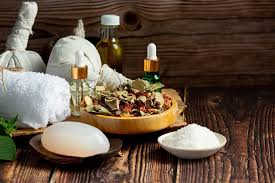
In addition to the external treatments, the purification of the body is also carried out internally. For example, in the morning you take ghee, which is purified, sometimes medicated butter fat. This penetrates the cells and dissolves the doshas. Ayurvedic herbs and spices are also used to activate metabolic waste products and to support the body after cleansing. The five cleansing techniques of Panchakarma therapy are also among the internal treatments and will be further explained below.


Nutrition

Nutrition

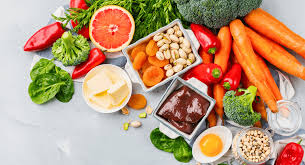
The right, dosha-compliant diet plays a central role in Ayurveda. Therefore, your diet plan is also adapted to your dosha or constitution type to rebalance the doshas. Ayurvedic food is mostly vegetarian or vegan, from time to time there is white meat or white fish. It is important to eat a balanced diet, which in Ayurveda means that all tastes should be included. These include: sweet, sour, salty, spicy, bitter and tart/ astringent. Another important concept is Agni, the digestive fire, which is considered to have important therapeutic significance.


Relaxation techniques

Relaxation techniques

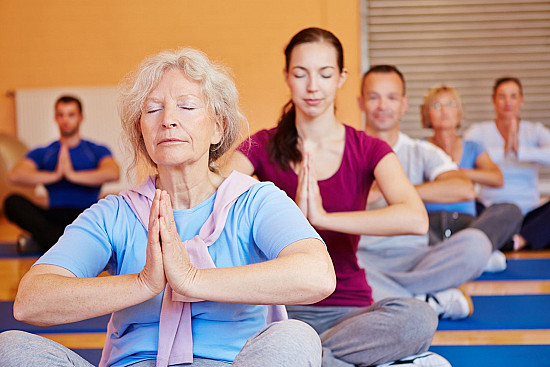
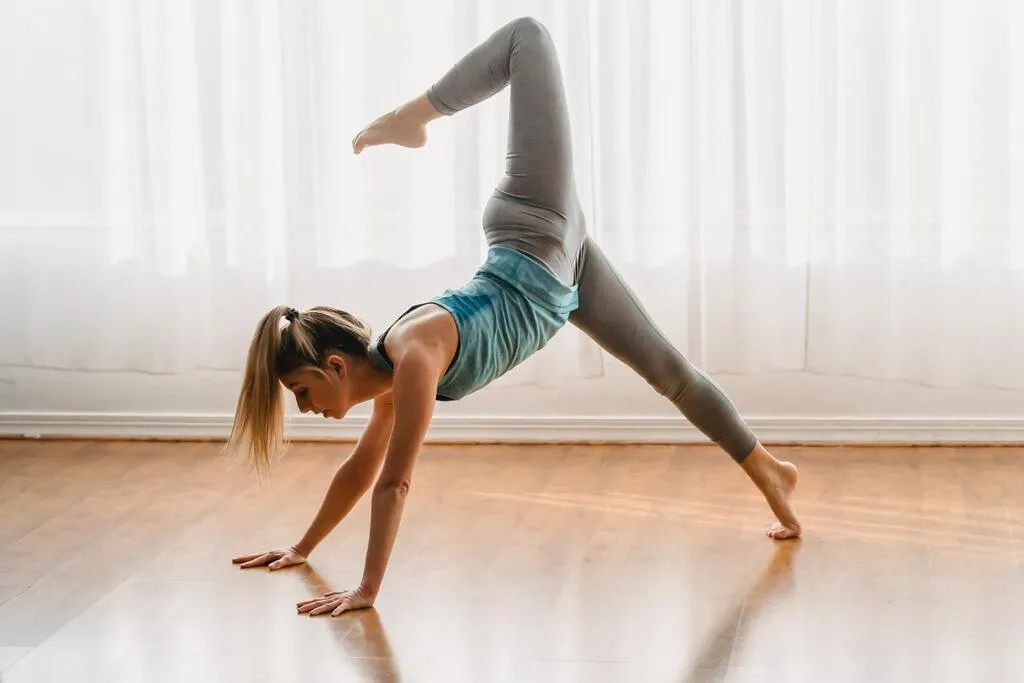
To restore the balance between body and soul, relaxation techniques are also an important part of an Ayurveda retreat. These include above all yoga and meditation, but also breathing exercises. In many Ayurveda hotels and resorts, yoga and meditation are on the program daily, others offer it at least several times a week.


Program Phases

The course of a Panchakarma therapy

The course of a Panchakarma therapy

Diagnosis


An integral part of any Ayurvedic treatment is the consultation with the Ayurvedic doctor or specialist at the beginning of your stay. Through an intensive examination and various procedures such as pulse diagnosis, the doctor or specialist can accurately determine the state of your doshas and localize imbalances.


Your constitutional type is then determined. For this purpose, your Ayurvedic specialist will have an in-depth conversation with you and will also take a close look at external features such as your skin, hair, fingernails and eyes. Based on all of these observations, the specialist will create an individual treatment plan that is tailored to your exact needs. From the variety of Panchakarma treatments, the most suitable for you will be selected and the diet will also be adapted to your Dosha type. During the course of the retreat, the Ayurvedic specialist will ensure during further consultations that the chosen treatments will also help you.


The subsequent Panchakarma thearpy, with the treatments individualized for you depending on the focus, is divided into three main phases :


Purvakarma - Preparatory phase


The aim of the preparation phase is to activate the doshas and the metabolic waste products(ama) accumulated in the tissues. Ayurvedic herbs and spices as well as internal and external oil treatments are used for this purpose. Here, for example, the ghee described above is used to release the doshas and waste products in the cells. External oil massages are used to eliminate the toxins and waste products that have accumulated in the tissues.


Pradhanakarma/Panchakarma - The fivefold purification


During the main phase of the Panchakarma treatment, the five effective cleansing techniques mentioned above are used. With their help, the previously dissolved excess doshas are directed out of the body. Ayurveda knows these five methods:


  1. Vamana - therapeutic vomiting

  2. Virechana - laxative therapy

  3. Basti/Vasti - intestinal enema

  4. Nasya - nasal and sinus treatment

  5. Raktamokshana - blood purification therapy


However, in most cases - and especially for European guests- purification is performed only by Virechana or Vasti. Therapeutic vomiting and blood purification are very rarely used.


Paschatkarma - Post-treatment


In the regeneration phase after the treatment, the effects of the Panchakarma therapy can unfold. During this phase your body and mind are further strengthened, for example with the help of herbal preparations, soothing oil massages, steam baths, powder massages and doshagerecht rebuilding diet. Yoga and meditation are also important components of the Paschatkarma phase.


Benefits

The importance of detoxification in Ayurveda

In the traditional Indian healing art of Ayurveda, a metabolism-friendly diet is always in the foreground. The Ayurvedic philosophy attaches an important importance for health, but also for spiritual growth to regular detoxification. Only a body that is free of harmful substances and eats healthy food can develop spiritually.


In addition, Ayurveda sees harmful metabolic toxins and body waste products also as the cause of numerous conditions, but through them the body's energy flow is impaired. A detox therapy with Ayurveda therefore always aims to get to the bottom of diseases such as food intolerances, allergies and metabolic disorders (e.g. diabetes or gout). For therapy, detox measures are then taken in combination with a dietary change adapted to the health complaint.


Frequently Asked Questions

You can book a 7-day therapy with detox and Ayurveda with SpaDreams starting at approx. 500 euros.


For smaller treatments, an extended Ayurveda detox weekend is usually sufficient. Larger Ayurvedic detox retreats are usually designed for 2 to 3 weeks. Proper Panchakarma retreats should not be completed for less than 12 days.